The rainy season is not a disaster. We explain how the rain actually falls, which months are calm and what to do if you get caught in a downpour.
“Rainy season” sounds like bad news — but it shouldn’t. In Bali it doesn’t mean a month of grey skies; it means short, heavy downpours with sunshine in between. Let’s look at how the weather really works and which months to choose.
Two seasons and what they mean
Bali has no winter or summer — it has a dry season and a wet season. The temperature stays the same all year round: +28…+32 °C by day and +23…+25 °C at night. Only the amount of rain and the humidity change.
- Dry season: April — October. Less rain, lower humidity, a calmer ocean. The classic time to travel.
- Wet season: November — March. More rain, higher humidity, more waves and murkier water for snorkelling.
How the rain actually falls
What forecasts don’t tell you: a tropical downpour is not an all-day drizzle. It is a wall of water for 40–90 minutes, usually in the afternoon or at night. Then it stops, the sun comes out and an hour later the roads are dry.
Meanwhile the forecast almost always shows “rain” for all seven days — because there is a chance of rain every day. There is no point looking at it; it is scarier than reality.
What the rain really spoils:
- Snorkelling and diving. After downpours the water turns murky and visibility drops.
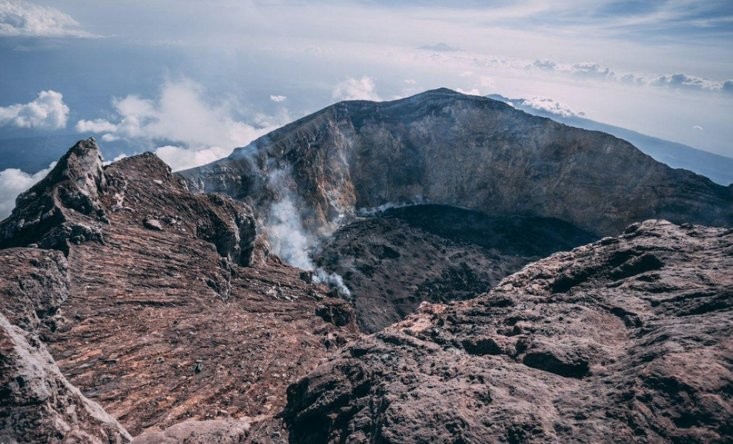
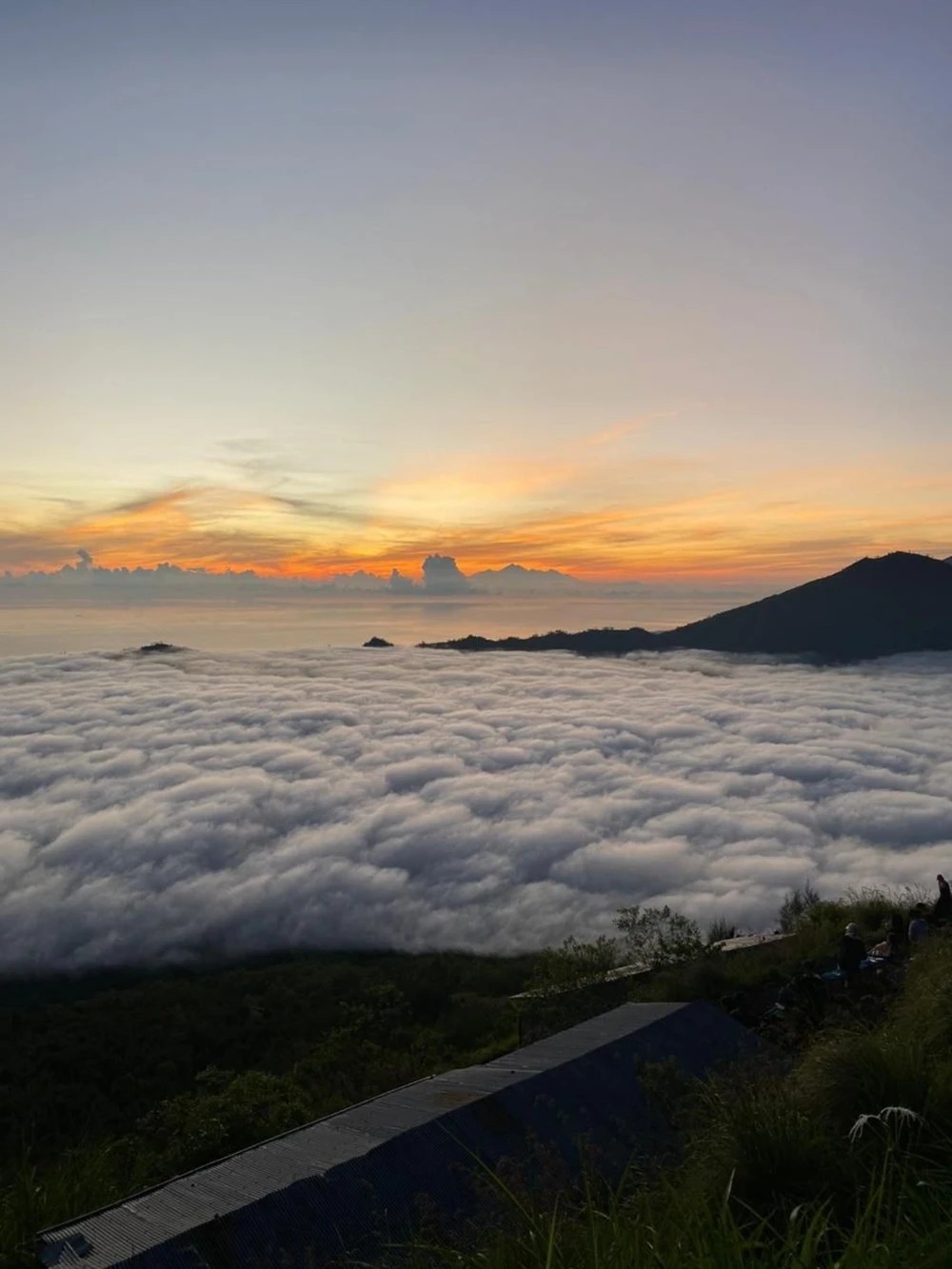
- Sunrise volcanoes. Cloud can hide the whole view — after you’ve already got up at 2 a.m.
- Roads to the north. Mountain sections get washed out and there are sometimes hold-ups.
Month by month
- April — May. Our favourite time. The rainy season is over, everything is fresh and green, there aren’t many tourists yet and prices are reasonable.
- June — August. The driest and most comfortable weather. And the absolute peak: full hotels, traffic jams in Canggu, the highest prices for accommodation and flights.
- September — October. The second great period. The weather is almost like summer, there are noticeably fewer people and prices drop.
- November — December. The rains begin, but there isn’t much yet. At the end of December comes the New Year rush and the highest prices for everything.
- January — February. The height of the rainy season. Downpours are more frequent and longer, humidity is high. But the island is empty and green, and accommodation costs half as much.
- March. The rains retreat, but March is usually when Nyepi falls — more on that below.
Nyepi — the day the island stops
The Balinese New Year, usually in March (the date moves with the local calendar). It is the Day of Silence, and it applies to everyone, tourists included:
- The airport closes for 24 hours — not a single plane takes off or lands.
- You may not leave the grounds of your hotel or villa.
- Lights and the internet are switched off; the streets are dark in the evening.
- Absolutely nothing is open: shops, cafés, transport.
It isn’t a problem if you know in advance — many people come specially for the Ogoh-Ogoh ceremonies the night before, a spectacular sight. But accidentally ending up with a flight on Nyepi is frustrating. Check the date when you buy your tickets.
If you’re already caught in a rainy day
There is plenty to do in Bali when it pours:
- A cooking class in Ubud — indoors, delicious and weather-proof.
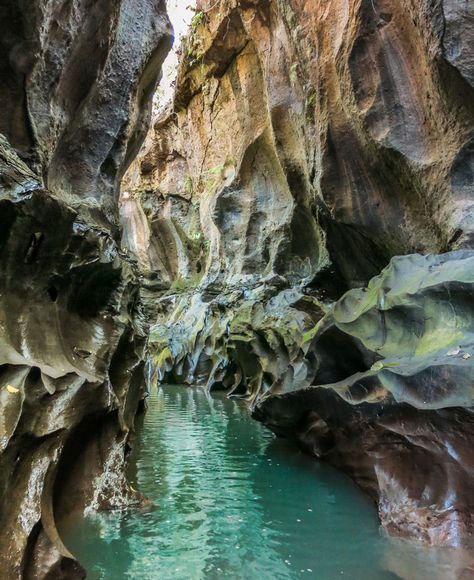
- Hidden Canyon and a sauna — you get wet in the rain anyway, and the canyon is fuller in this season.
- A spa — in Bali it is an art form of its own and very affordable.
- Ubud’s museums and galleries, and the workshops of carvers and painters.
So when should you go?
A short answer by type of traveller:
- First time in Bali — April–May or September–October. Good weather without peak prices.
- With children — the same shoulder seasons: a calm ocean and less heat.
- For snorkelling and diving — April to October, when the water is clear.
- For the price — January–February. There is rain, but the island is yours and it’s cheap.
- For surfing — it depends on the coast: the west coast works from April to October, the east coast from November to March.
We choose dates to suit your goal: if you want manta rays off Nusa Penida, that means certain months; a relaxed holiday with a child means quite different ones. And we build the route so the rain doesn’t ruin the key days.