The things people most often get burned by: from renting a scooter without a licence to trying to see the whole island in one day.
We live in Bali and see the same stories every week. The mistakes repeat with amazing regularity — and almost all of them cost money, time or nerves. Here are the nine main ones, so you can avoid them.
1. Riding a scooter without a licence
The most expensive mistake. To ride a scooter you need an International Driving Permit with a category A (motorcycle) endorsement — not just your home licence and not “I know how to ride”.
What happens without one: the police in the south of the island stop riders regularly and fine you on the spot. But the real problem isn’t the fine, it’s insurance — without a licence it won’t cover you in an accident. And healthcare in Bali is paid, so the bill for a serious injury can easily run to tens of thousands of dollars.
We help with rentals and paperwork, so this is sorted before your first ride.
2. Planning by distance instead of time
The map shows 40 kilometres and promises 50 minutes. In reality it’s two hours. Bali has narrow roads, a constant stream of scooters, villages with speed limits all the way through and ceremonies that close the road completely without warning.
A working rule: feel free to double the time your navigation app shows. That way you won’t be late and won’t spend your holiday stressed.
3. Trying to see the whole island in a day
“A volcano in the morning, a waterfall in the north in the afternoon, a temple in the south in the evening” — a plan that ends with you seeing the island through a car window for eight hours.
One day — one geographical area. We explain how to group things properly in our article on choosing tours.
4. Swimming anywhere
Not every beach in Bali is fit for swimming, and this is about safety, not looks. Kuta and Canggu can have strong rip currents that pull you away from the shore. Tragedies happen every season — mostly to people who ignored the red flags.
The rules are simple: swim where there are lifeguards, watch the flags, don’t go far out when there are waves. For calm swimming go to Sanur, Nusa Dua or the Bukit beaches on a still day.
5. Drinking tap water
Tap water in Bali isn’t drinkable — even locals don’t drink it. Bottled water only, and it’s better for brushing your teeth too.
Ice and fresh juices in dubious places are a separate issue. In proper cafés and warungs the ice is factory-made and safe, but at very basic street stalls it’s best to skip it. “Bali belly” — an upset stomach in the first days — is usually the result of exactly this.
6. Changing money at “great rate” exchange booths
If the rate is noticeably better than everywhere else, it’s a trap. The scheme is well rehearsed: they count the money several times in front of you, distract you with conversation and short-change you. Formally everything looks fair, and you can’t prove anything afterwards.
Change money at banks or licensed money changers — they have a sign with their licence and a proper counter, not a window in a souvenir shop. And count your money before you walk away.
7. Booking accommodation from photos alone
Photos don’t show the construction site behind the fence that starts at seven in the morning, the highway thirty metres away, mould in the rainy season or the real distance to the beach. “10 minutes to the ocean” on a booking site can easily mean an hour in traffic.
We check these things before booking — we read reviews for the specific season and look at what’s going on around the property. More on choosing an area in our article “Bali’s areas: where to stay”.
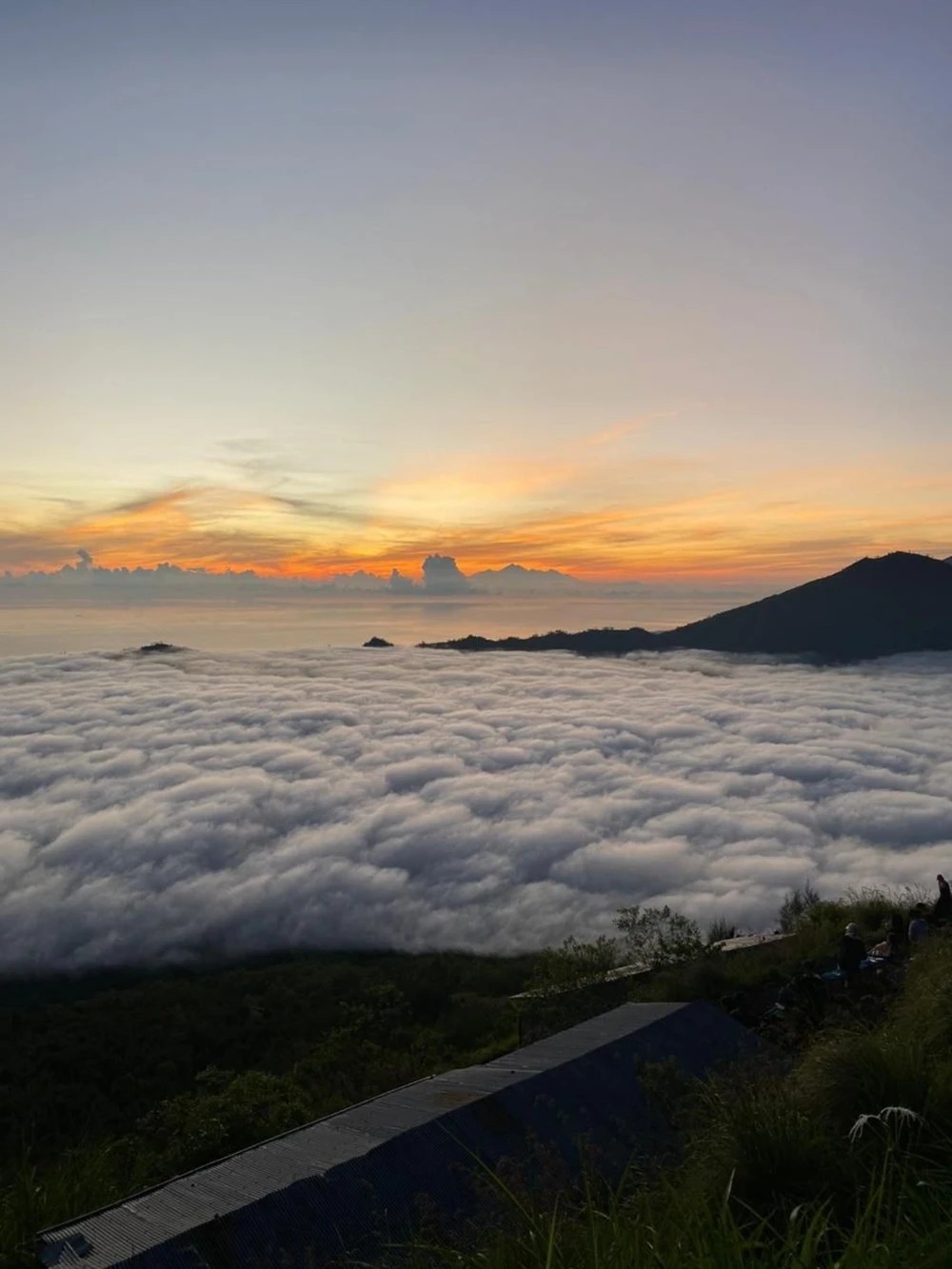
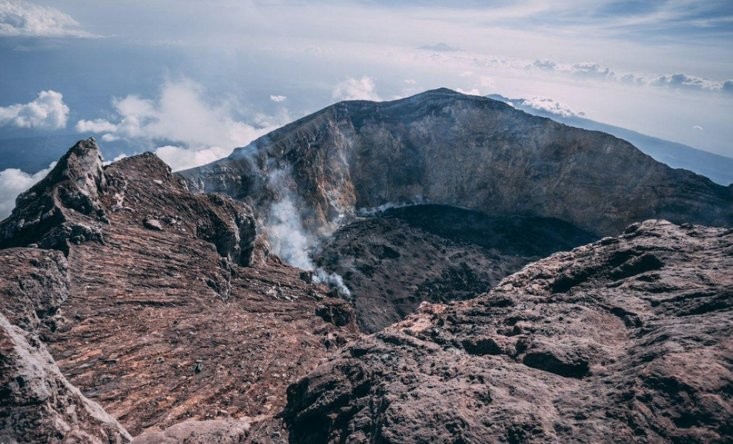
8. Going up a volcano at sunrise in shorts and flip-flops
At the top of Batur at four in the morning it’s about +10 °C, windy and often damp. People turn up in a T-shirt because “Bali is hot”, then freeze for two hours waiting for the sunrise.
What you need: a warm jumper, a windbreaker, closed shoes with a proper sole and a torch (or a charged phone). This applies to every option — Kintamani, going up by jeep and the hike.
9. Ignoring local traditions
Bali is a deeply religious island, and that isn’t scenery for tourists. A few rules worth knowing:
- Temples only in a sarong and with your shoulders covered. A sarong is usually provided at the entrance.
- Don’t step on canang — the small leaf-and-flower offerings placed right on pavements and doorsteps. They are laid out several times a day.
- Don’t touch locals’ heads, including children’s — in Balinese culture it’s considered rude.
- Don’t step into the shot during a ceremony and don’t block a procession. If a ceremony has closed the road, wait — you can’t drive through a procession.
The Balinese are very friendly and will almost never tell you off. But that doesn’t mean they don’t mind.
Bonus: don’t cut it fine for your flight
The drive to the airport from Canggu or Ubud at rush hour can take three times longer than usual. Leave a buffer: better to be bored at the airport for an hour than to stare at a traffic jam wondering whether you’ll make it.
If you don’t want to keep all this in your head, our travel assistant takes care of the organisation, from meeting you at the airport to your last day. We are on the island and know all these pitfalls first-hand, not from articles on the internet.